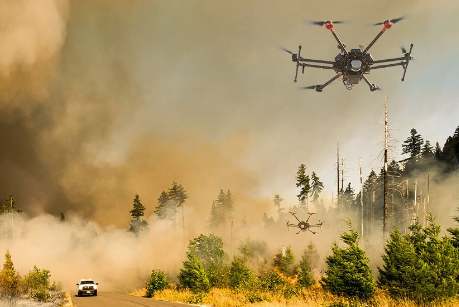
Early Warning Technology Systems represent a critical evolution in hazard detection and response. These frameworks leverage advanced technologies to monitor environmental conditions and predict potential threats. Their integration of sensors and data analytics offers real-time insights, enhancing community preparedness. However, the effectiveness of these systems relies on various factors, including technology, implementation, and community engagement. What challenges do these systems face in ensuring timely communication and action during crises?
Understanding Early Warning Systems
Early warning systems (EWS) serve as critical frameworks designed to detect and communicate impending hazards, thereby enabling timely responses to mitigate risks.
These systems rely on thorough risk assessments to identify vulnerabilities and enhance disaster preparedness.
Key Technologies Behind Early Warning Systems
While various technologies contribute to the efficacy of early warning systems, several stand out for their critical roles in data collection, analysis, and dissemination.
Sensor integration enables the seamless gathering of real-time environmental data, while advanced data analytics processes this information to identify potential threats.
Together, these technologies enhance situational awareness, empowering communities to respond proactively and safeguard their freedoms against impending dangers.
Applications of Early Warning Technology
The diverse applications of early warning technology span multiple sectors, significantly enhancing preparedness and response capabilities.
In disaster preparedness, these systems facilitate timely alerts, enabling communities to mobilize resources effectively.
Furthermore, they play a crucial role in risk management by identifying potential hazards, allowing for proactive measures.
This analytical approach underscores the necessity for integrating early warning technologies into comprehensive safety strategies, promoting resilience and informed decision-making.
Read Also: Disaster Response Technology Explained
The Importance of Early Warning Systems in Modern Society
In modern society, the significance of early warning systems extends beyond mere disaster preparedness, influencing various aspects of public safety and governance.
These systems facilitate risk mitigation by providing timely information, enabling communities to respond effectively to potential threats.
Their integration into emergency management frameworks fosters resilience, ensuring that societies can protect freedoms while minimizing vulnerability to natural and man-made disasters.
Conclusion
In an era reminiscent of the fabled canary in the coal mine, early warning technology systems emerge as vital guardians against looming threats. By harnessing sophisticated technologies for real-time data analysis, these systems not only enhance public safety but also cultivate resilience within communities. Their proactive nature underscores the necessity of vigilance in an unpredictable world, serving as a reminder that preparedness can indeed avert disaster, transforming potential calamities into manageable challenges.