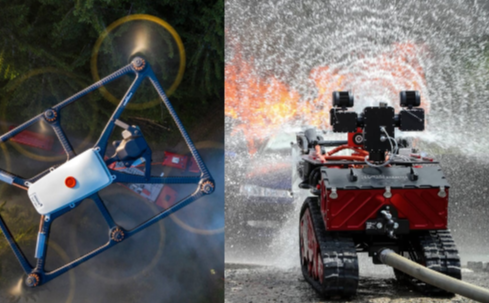
Disaster response technology plays a crucial role in modern emergency management. It includes various tools such as drones and mobile applications that enhance communication and resource coordination. These technologies improve situational awareness and optimize resource allocation during crises. As advancements continue, the potential for more efficient responses grows. Understanding the specific types and applications of these technologies reveals their significant impact on disaster management. What innovations may shape the future of crisis response?
Types of Disaster Response Technologies
Disaster response technologies encompass a diverse array of tools and systems designed to enhance preparedness, response, and recovery efforts in the face of emergencies.
Drones usage has revolutionized aerial assessments, providing real-time data and access to hard-to-reach areas.
Meanwhile, mobile apps facilitate communication and resource coordination, empowering individuals and agencies to streamline their efforts and promote a more effective response to disasters.
Applications in Emergency Situations
Although emergencies can often disrupt communication and logistics, the application of advanced technologies significantly enhances response capabilities.
Drone logistics facilitate rapid delivery of essential supplies, while mobile mapping provides real-time situational awareness for responders.
These innovations enable efficient resource allocation and improve coordination among agencies, ultimately empowering communities to navigate crises more effectively and reclaim their autonomy in the face of disaster.
Impact on Disaster Management
The integration of advanced technologies in disaster management has transformed traditional response frameworks, enhancing overall effectiveness and efficiency.
These innovations facilitate improved community engagement, allowing for real-time feedback and collaboration.
Additionally, they optimize resource allocation, ensuring that critical supplies and personnel are deployed where they are most needed.
This shift not only strengthens response efforts but also empowers communities to participate actively in their safety and recovery.
The Future of Technology in Crisis Response
As technology continues to evolve, its role in crisis response is poised to expand significantly.
Artificial intelligence will enhance decision-making processes, allowing responders to analyze data rapidly and accurately.
Furthermore, drone delivery systems promise swift transportation of essential supplies, enabling timely interventions.
These advancements empower communities, fostering resilience and autonomy in the face of disasters, ultimately transforming how society addresses emergencies and enhances recovery efforts.
Conclusion
In summary, disaster response technology serves as a lifeline during emergencies, fundamentally reshaping how communities prepare for and recover from crises. By harnessing tools like drones and mobile applications, responders can navigate the storm more effectively, ensuring resources are allocated efficiently and communication remains clear. As advancements continue to emerge, the integration of artificial intelligence and other innovations will pave the way for a future where disaster management is not just reactive but proactive, ultimately saving lives and fostering resilience.